
Many users assume all foam rollers are basically the same, but my hands-on testing proved otherwise. After trying various models, I found that the TriggerPoint Grid 1.0 Foam Roller – 13″ Multi-Density offers a real upgrade. Its multidimensional surface effectively mimics a massage therapist’s hands, targeting knots and tight muscles with personalized comfort. The firm EVA foam provides deep tissue relief, perfect for those stubborn back kinks.
Compared to the lighter, less durable options like the Amazon Basics or the ProsourceFit rollers, this one maintains its shape even after repeated use. The custom Distrodensity Zones and deep compression make it stand out, especially if you want a serious back massage at home. I’ve used it pre and post-workout, and it’s consistently effective. Trust me, this one truly delivers deep, targeted relief and helps accelerate recovery. I recommend it as the best foam roller for back massage, especially if you want a balance of quality, durability, and effective results.
Top Recommendation: TriggerPoint Grid 1.0 Foam Roller – 13″ Multi-Density
Why We Recommend It: This roller’s three-dimensional surface promotes better tissue aeration and blood flow. Its proprietary Distrodensity Zones target different muscle areas for personalized relief, unlike simpler models. The deep compression from its EVA foam wrapped hollow core ensures effective massage, making it ideal for back pain. Compared to lighter or less durable options, it’s built for frequent, serious use, providing long-lasting quality and better muscle recovery experience.
Best foam roller for back massage: Our Top 5 Picks
- TriggerPoint Grid 1.0 Foam Roller – 13″ Multi-Density – Best for Deep Tissue Massage
- TriggerPoint CORE Foam Roller 12″ Gray for Muscle Recovery – Best Value
- The Original Body Roller 13″ Foam Massager Blue – Best for Beginners
- Amazon Basics 18-Inch High-Density Foam Roller Black – Best Value
- ProsourceFit High Density Foam Rollers 12 – inches long, – Best Premium Option
TriggerPoint Grid 1.0 Foam Roller – 13″ Multi-Density

- ✓ Multi-density GRID surface
- ✓ Deep tissue massage
- ✓ Durable, long-lasting build
- ✕ Slightly firm for sensitive users
- ✕ Heavier than softer rollers
| Length | 13 inches |
| Material | EVA foam with proprietary Distrodensity Zones |
| Density Zones | Multi-density with varying ridges and nodules |
| Core Design | Hollow core with EVA foam wrapping |
| Intended Use | Deep tissue massage and muscle recovery |
| Durability | Designed for frequent use without losing shape |
Unlike the standard foam rollers that feel like rolling over a stiff board, this TriggerPoint Grid 1.0 offers a surprisingly plush yet firm experience. The multi-density surface immediately caught my attention, with its varied ridges and nodules that mimic a massage therapist’s hands.
It’s like having a deep tissue massage at home, but without the hefty price tag or appointment scheduling.
When I used it on my back, I appreciated how the three-dimensional surface promoted better tissue aeration. It really helped loosen tight muscles and kinks that usually take forever to unwind with softer rollers.
The hollow core design felt solid under my weight, providing consistent pressure without flexing or losing shape, even after multiple sessions.
The proprietary Distrodensity Zones are a game-changer. They target both sore, tight areas and softer tissue, making recovery more personalized.
Plus, the EVA foam’s density delivers a deeper, more effective massage—almost like a professional sports therapist’s touch. I found it especially helpful after long days of sitting or intense workouts.
It’s built for frequent use, and I can tell it will last for years without losing its shape. The textured surface, combined with the sturdy construction, really makes muscle recovery feel more efficient.
Whether you’re targeting your back, shoulders, or legs, this roller provides a satisfying, deep massage every time.
At $36.95, it’s a solid investment for anyone serious about muscle recovery. It’s not just a foam roller; it’s a portable massage therapist in your gym bag.
TriggerPoint CORE Foam Roller 12″ Gray for Muscle Recovery

- ✓ Durable solid-core design
- ✓ Targeted multi-density pattern
- ✓ Compact and lightweight
- ✕ Slightly firm for sensitive users
- ✕ Might be too rigid for gentle massage
| Material | Solid-Core EVA Foam |
| Length | 12 inches (30.48 cm) |
| Density Pattern | Multi-Density Grid Pattern |
| Durability | More durable than standard polypropylene rollers |
| Weight | 0.18 kg (180 grams) |
| Intended Use | Self-massage, muscle recovery, pain relief, flexibility improvement |
There’s nothing more frustrating than spending minutes trying to roll out tight muscles only to find your foam roller flattens or loses its shape after a few uses. That was my experience with cheaper rollers—until I tried the TriggerPoint CORE Foam Roller.
This 12-inch gray roller feels sturdy right out of the box. Its solid-core construction immediately gave me confidence that it wouldn’t collapse or break down like softer, cheaper options.
The unique multi-density grid pattern is a game-changer, offering just the right amount of targeted compression for my back and legs.
What really stood out is how evenly the pressure distributes across different muscle groups. I could easily target knots and sore spots without feeling like I was pressing into a sponge.
Plus, the size makes it versatile enough for both smaller areas like calves and larger ones like my upper back.
Using this roller, I noticed a difference in flexibility after just a few sessions. It’s firm but not uncomfortable, which is key for consistent use.
I also appreciate the lightweight design—at only 0.18 kg, it’s easy to carry around or store without cluttering my space.
Overall, this foam roller delivers solid durability and effective muscle relief. It’s a simple tool that really works, especially if you’re tired of rollers that don’t hold up or don’t target your muscles properly.
The Original Body Roller 13″ Foam Massager Blue
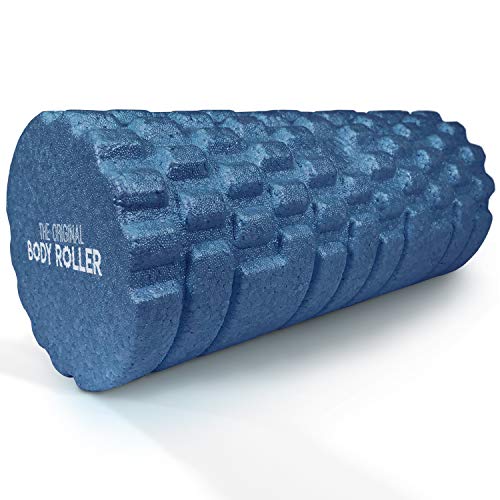
- ✓ Deep, finger-like massage
- ✓ Durable and well-made
- ✓ Great for recovery
- ✕ Slightly firm for sensitive users
- ✕ Limited to back and muscle focus
| Material | Heavy Duty Expanded Polypropylene (EPP) |
| Dimensions | 12.5 x 5.5 inches (approximately 32 x 14 cm) |
| Design Features | Triple massage zones with finger, thumb, and palm replication; dual grid with ridges and spiked bumps |
| Intended Use | Muscle conditioning, trigger point release, deep stretching, and acupressure therapy |
| Model Sizes | 13-inch portable model and 17-inch full-body coverage model |
| Weight | Lightweight and portable (exact weight not specified, inferred suitable for portable use) |
Compared to those flimsy foam rollers that barely feel like they do anything, this 13″ Blue Body Roller immediately feels like a serious tool for muscle relief. Its textured surface, with ridges and spikes, gives the sensation of a deep, finger-like massage—something I haven’t experienced with standard smooth rollers.
The dual grid design is smartly crafted. One side has ridges that mimic finger pressure, while the other features bumps for targeted trigger point release.
It’s surprisingly heavy-duty but still lightweight enough to toss in your gym bag.
Using it before a workout really warms up my back and legs, reducing stiffness. Post-exercise, it’s a game-changer for speeding recovery and easing muscle soreness.
I especially liked how it targets those stubborn knots that normally take ages to loosen.
The size is just right—not too bulky, not too small. I could easily control the pressure, whether I was rolling out my back or thighs.
Plus, the textured zones make it feel like a professional massage, but in your own home.
It’s tough enough for athletes but gentle enough for beginners. The EPP construction feels durable and well-built, promising long-term use.
For anyone serious about recovery or just wanting a better stretch, this foam roller hits all the marks.
The only downside? It’s a bit firm at first, so if you prefer softer rollers, it might take some getting used to.
But overall, it’s a solid investment for muscle health and pain relief.
Amazon Basics 18-Inch High-Density Foam Roller Black
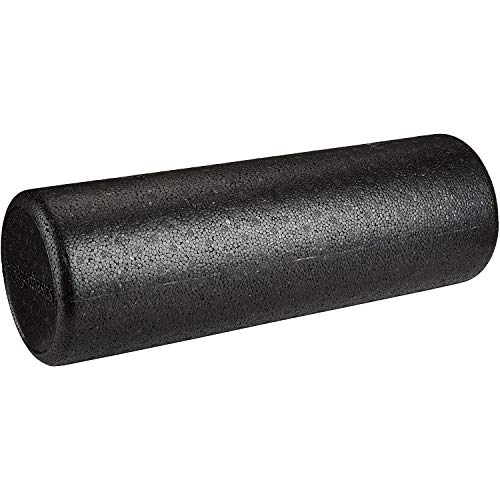
- ✓ Durable high-density foam
- ✓ Easy to clean
- ✓ Comfortable molded edges
- ✕ Slightly firm for sensitive users
- ✕ Might be too rigid for beginners
| Material | High-density foam with durable polypropylene core |
| Dimensions | 18 x 6 x 6 inches (LxWxH) |
| Density | High-density foam for firm support |
| Weight | Lightweight (exact weight not specified, inferred to be portable) |
| Design Features | Molded edges for comfort, easy to clean surface |
| Intended Use | Balance, strengthening, and flexibility exercises |
Ever try rolling out your back after a long day and find that most foam rollers are either too soft to really work out those knots or too hard and uncomfortable? That’s exactly what I thought until I gave this Amazon Basics 18-Inch High-Density Foam Roller a shot.
Right out of the box, you notice its sturdy build. The high-density foam feels firm but not abrasive, giving just enough pressure without risking pain.
The molded edges are a thoughtful touch, making it more comfortable to lean against, especially when targeting tight spots in your back.
Using it feels straightforward—you simply roll back and forth, and it really helps loosen tight muscles. Its size is perfect for covering larger areas, yet it’s lightweight enough to carry around easily.
I appreciated how easy it was to clean; a quick wipe and it’s good as new.
The texture provides enough grip so it won’t slip during use, but it’s still gentle on the skin. I found it especially helpful after workouts or long sitting sessions, easing tension in the upper and lower back.
Plus, the durable polypropylene maintains its shape even after multiple uses, so no worries about it losing form over time.
Overall, this foam roller hits a sweet spot between firmness and comfort, making it a versatile tool for back massage, stretching, or core exercises. It’s a practical, affordable choice that really makes a difference when you need targeted relief.
ProsourceFit High Density Foam Rollers 12 – inches long,

- ✓ Deep tissue massage
- ✓ Compact and portable
- ✓ Versatile for different exercises
- ✕ Might be too firm for sensitive users
- ✕ Slightly heavy for a small roller
| Material | High-density expanded polypropylene (EPP) |
| Dimensions | 12 inches long x 6 inches diameter |
| Maximum Weight Capacity | 300 lbs |
| Density | High-density for deep pressure massage |
| Color Options | Multiple colors available |
| Intended Use | Back, legs, neck, calves, IT band, hamstrings, lats, glutes, Pilates, yoga, muscle recovery |
The moment I unrolled this foam roller, I was surprised to find how solid and dense it felt—almost like rolling on a firm piece of wood instead of the usual squishy foam I expected. It’s a stark contrast to the softer rollers that give you a gentle massage; this one really digs in.
At 12 inches long, it’s compact but surprisingly effective. I quickly noticed how well it maintained its firmness even when I applied heavy pressure.
It’s clear this roller is designed for those who need a deep tissue experience, whether you’re a beginner or a seasoned athlete.
The textured surface and high-density foam structure made it ideal for targeting specific areas. I used it on my back, calves, and even my neck, and it truly released tension in all those spots.
Plus, the firmness felt satisfying without causing pain—perfect for muscle recovery after a tough workout.
What I didn’t expect was how versatile it is beyond just recovery. I used it during some Pilates exercises for balance and core stability, and it made a noticeable difference.
It’s like having a mini massage therapist that also helps improve your body awareness and posture.
At just under $12, it’s a steal for a durable, high-quality foam roller. It’s low-maintenance, water-resistant, and easy to clean, making it a great addition to your fitness routine.
Whether for pre-workout warm-up or post-workout relief, this roller holds up well and delivers deep, satisfying pressure.
What Is the Best Foam Roller for Back Massage?
When selecting the best foam roller for back massage, several factors will enhance your experience and effectiveness. Consider the following options based on their features and benefits:
-
Density:
– High-Density Foam Rollers: Ideal for deep tissue massage and targeting knots. Suitable for more experienced users.
– Medium Density: Provides balance between comfort and effectiveness, making it a great choice for beginners. -
Texture:
– Smooth Foam Rollers: Effective for general muscle relaxation and are easier on sensitive areas.
– Textured Foam Rollers: These often have ridges or knobs that provide a deeper tissue massage, perfect for stubborn trigger points. -
Size:
– Standard (36 inches): Great for full back coverage, allowing for a variety of exercises.
– Shorter versions (12-24 inches): Easier to maneuver and travel-friendly, ideal for targeting specific areas. -
Shape:
– Traditional Cylindrical: Most common, versatile for various muscle groups.
– Vibrating Foam Rollers: These offer added relief through vibration, which can enhance muscle relaxation. -
Recommended Products:
– TriggerPoint GRID Foam Roller: Offers various density zones and a solid structure.
– LuxFit Foam Roller: A budget-friendly option with high-density foam and great durability.
The right foam roller will depend on personal preferences and specific back issues, so consider these aspects while choosing the ideal product for your back massage needs.
What Are the Key Benefits of Using a Foam Roller for Back Pain Relief?
The key benefits of using a foam roller for back pain relief include improved muscle recovery, increased flexibility, and enhanced circulation.
- Muscle Recovery: Foam rolling helps to alleviate muscle tightness and soreness by breaking up adhesions and improving blood flow to the affected areas. This can lead to quicker recovery times after workouts or prolonged periods of inactivity.
- Increased Flexibility: Regular use of a foam roller can enhance flexibility by loosening tight muscles and connective tissue. This can make it easier to perform stretches and improve overall range of motion, which is essential for maintaining a healthy back.
- Enhanced Circulation: Foam rolling stimulates blood flow, which can help deliver nutrients to muscle tissues and remove metabolic waste. Improved circulation can lead to reduced inflammation and pain, providing relief to areas of discomfort in the back.
- Stress Relief: The act of foam rolling can serve as a form of self-massage, promoting relaxation and reducing stress levels. Lower stress can contribute to decreased muscle tension, which is often a significant factor in back pain.
- Posture Improvement: By targeting specific muscle groups that contribute to poor posture, foam rolling can help align the spine and strengthen the back. Better posture can reduce strain on the back muscles and alleviate pain over time.
How Can Foam Rolling Improve Back Health and Flexibility?
Foam rolling can significantly enhance back health and flexibility by relieving muscle tension and improving blood circulation.
- Release Muscle Tension: Foam rolling helps alleviate tightness in the muscles surrounding the spine by applying pressure to trigger points. This self-myofascial release technique breaks down knots and adhesions, leading to reduced pain and improved range of motion.
- Improve Circulation: The pressure applied during foam rolling increases blood flow to the targeted areas, promoting better oxygenation and nutrient delivery. Enhanced circulation aids in muscle recovery and reduces inflammation, which is beneficial for overall back health.
- Enhance Flexibility: Regular foam rolling can help improve flexibility by stretching tight muscles and fascia. This increased elasticity allows for greater movement in the spine, leading to improved posture and a reduced risk of injury.
- Postural Alignment: By targeting specific muscle groups, foam rolling can help address imbalances and misalignments caused by poor posture. This realignment encourages a healthier spinal position and decreases the likelihood of back pain.
- Stress Relief: Foam rolling can also serve as a form of self-care that reduces stress and promotes relaxation. The release of endorphins during the process can help alleviate mental tension, which often contributes to physical discomfort in the back.
What Features Should You Consider When Choosing a Foam Roller for Back Massage?
When choosing the best foam roller for back massage, consider the following features:
- Density: The density of a foam roller affects how deep the massage will be. High-density foam rollers provide a firmer surface that can penetrate deeper into muscle tissue, making them suitable for experienced users seeking intense relief, while low-density rollers are softer and better for beginners or those with sensitive areas.
- Texture: Foam rollers come in various textures, from smooth to ridged and spiky. A textured roller can provide more targeted pressure and help break up knots in the muscles, while a smooth roller is ideal for gentle rolling and overall muscle relaxation.
- Size: The size of the foam roller is crucial for its effectiveness and convenience. Longer rollers (36 inches) are great for large muscle groups and full-body use, while shorter rollers (18 inches) are portable and easier to use for targeted areas like the back and neck.
- Shape: Foam rollers are available in different shapes, such as traditional cylindrical and more specialized designs like half-round or massage balls. Each shape caters to various muscle groups and can enhance specific massage techniques, so choose one that fits your massage needs.
- Portability: If you plan to use your foam roller while traveling or at the gym, portability is a key feature. Look for lightweight and compact options that can easily fit into gym bags without taking up too much space.
- Durability: A durable foam roller is essential for long-term use, especially if you intend to use it frequently. Check materials and construction quality to ensure that it can withstand regular pressure without losing shape or effectiveness over time.
- Price: Foam rollers are available at various price points, so consider your budget. While higher-priced rollers may offer better durability and unique features, there are also effective budget-friendly options that can provide substantial benefits.
How Does Foam Roller Density Impact Your Back Massage Experience?
The density of a foam roller significantly influences the effectiveness and comfort of back massage experiences.
- Firm Density Foam Rollers: These rollers provide a deeper tissue massage, making them ideal for individuals with muscle tightness or chronic pain.
- Medium Density Foam Rollers: A balance between firmness and comfort, these rollers are suitable for a wider range of users, including beginners and those seeking moderate relief.
- Soft Density Foam Rollers: Designed for sensitivity and recovery, these rollers are perfect for users who are new to foam rolling or have a low pain tolerance.
Firm Density Foam Rollers: These rollers are typically made from high-density foam that offers less give, allowing for targeted pressure on knots and tight muscles. They can be particularly beneficial for athletes or those who engage in intense physical activities, as they help alleviate muscle soreness and improve flexibility.
Medium Density Foam Rollers: A versatile option, medium density foam rollers strike a balance between comfort and effectiveness. They cater to a broader audience, providing sufficient pressure to relieve tension while still being gentle enough for regular use, making them suitable for both beginners and experienced users.
Soft Density Foam Rollers: These rollers are constructed from softer foam, which makes them more forgiving and ideal for users who might experience discomfort with firmer options. They are often recommended for rehabilitation and recovery, allowing for gentle muscle stimulation without the risk of excessive pain or injury.
What Size Foam Roller Is Most Effective for Back Relief?
The most effective foam roller size for back relief typically depends on the user’s height and specific needs.
- Standard 36-inch Foam Roller: This size is ideal for users who want to target larger muscle groups and perform full-body exercises, including the back. Its length allows for rolling multiple areas of the body without needing to reposition, making it convenient for self-massage and myofascial release.
- 18-inch Foam Roller: Suitable for those who want a more portable option, the 18-inch roller is easier to handle and maneuver, especially for targeted back massages. It can effectively relieve tension in the upper and lower back, but may require repositioning for larger muscle groups.
- 12-inch Foam Roller: This compact size is perfect for focused therapy on specific spots in the back, such as trigger points. While it offers less surface area for rolling, its smaller size allows for more precise pressure application, which can be beneficial for relieving knots and tight areas.
- Diameter Considerations: Foam rollers typically come in various diameters, such as 4-inch or 6-inch. A wider diameter provides a softer surface, which is gentler on sensitive areas, while a narrower diameter may deliver a deeper massage, ideal for those seeking intense relief from muscle tightness.
- Density Options: Foam rollers also vary in density, with softer options being more forgiving for beginners or those recovering from injuries. Conversely, firmer rollers offer deeper tissue massage and are better for experienced users who need more intense pressure for effective back relief.
Which Foam Rollers Are Highly Recommended for Back Massage?
The best foam rollers for back massage include options that provide optimal support, durability, and the ability to target muscle knots effectively.
- RumbleRoller Textured Foam Roller: This roller features a unique design with raised bumps that mimic the hands of a massage therapist, allowing for deep tissue massage. Its firm construction helps to access tight muscles and stimulate blood flow, making it suitable for those who prefer a more intense experience.
- TriggerPoint GRID Foam Roller: Engineered with a multi-density surface, the TriggerPoint GRID allows for both targeted pressure and a more forgiving touch. This roller helps in releasing muscle tension and improving flexibility, making it ideal for users who want a balance between comfort and effectiveness.
- ProForm Foam Roller: Known for its high-density foam, the ProForm offers excellent durability and support for back massages. Its smooth surface allows for easy rolling while providing a moderate level of firmness that helps alleviate muscle soreness without being overly harsh.
- LuxFit Foam Roller: This roller is made from closed-cell foam that resists moisture and bacteria, making it hygienic and easy to clean. It comes in various sizes and densities, allowing users to choose the one that best fits their needs for back massage and muscle recovery.
- AmazonBasics High-Density Foam Roller: A budget-friendly option, this foam roller is firm enough to provide effective muscle relief while remaining lightweight and portable. Its solid construction is great for beginners who want to experience the benefits of foam rolling without a hefty investment.
What Are the Best Foam Rollers for Different Needs (e.g., Firmness, Size)?
The best foam rollers for back massage vary based on firmness, size, and specific needs.
- High-Density Foam Roller: This type is ideal for those who prefer a firmer massage experience, providing deep tissue relief.
- Medium Density Foam Roller: Offers a balance between comfort and firmness, making it suitable for beginners or those with sensitive muscles.
- Trigger Point Foam Roller: Features raised areas or knobs designed for targeted muscle release, perfect for specific pain points and knots.
- Long Foam Roller: Provides ample surface area for rolling larger muscle groups like the back, making it versatile for various exercises and stretches.
- Massage Stick Roller: Though not a traditional foam roller, it allows for precise targeting of sore muscles and can be used for back massage while seated.
- Travel Foam Roller: Smaller and lighter, these rollers are designed for portability, making them ideal for on-the-go relief without sacrificing effectiveness.
High-Density Foam Roller: These rollers are constructed from solid foam that is more durable and can withstand more intense use. They are particularly effective for individuals who engage in heavy workouts or need profound muscle relief, as they penetrate deeper into muscle tissue.
Medium Density Foam Roller: A versatile option that accommodates different levels of comfort, it is suitable for both beginners and seasoned users. This type is less intense than high-density but still offers sufficient resistance for effective muscle recovery.
Trigger Point Foam Roller: Designed with specific contours, this roller targets trigger points and knots in the muscles, providing focused pressure to relieve tension. This makes it especially useful for athletes or those with chronic muscle tightness looking for precise muscle relief.
Long Foam Roller: Typically measuring around 36 inches, this roller allows users to work on larger areas like the back and legs more comfortably. Its length provides stability and support during various stretching and rolling exercises, making it a favorite for yoga practitioners and fitness enthusiasts.
Massage Stick Roller: This tool consists of a series of rollers on a stick, allowing for targeted massage on various muscle groups, including the back. It is particularly useful for people who want to focus on specific areas without needing to lie down, providing flexibility in usage.
Travel Foam Roller: Compact and lightweight, these rollers are designed for convenience, making them easy to pack for trips or gym bags. Despite their size, they still offer effective muscle relief, catering to those who prioritize recovery while traveling.
How Should You Properly Use a Foam Roller for Back Pain Relief?
To effectively use a foam roller for back pain relief, follow these essential techniques:
- Choosing the Right Foam Roller: Select a foam roller with appropriate density and size that matches your comfort level and specific needs.
- Positioning: Properly position your body on the foam roller to target specific areas of tension in your back.
- Rolling Technique: Use slow and controlled movements while rolling back and forth to avoid injury and maximize effectiveness.
- Duration and Frequency: Determine the ideal duration and frequency of foam rolling sessions for optimal relief without overdoing it.
Choosing the Right Foam Roller: The best foam roller for back massage typically features a medium to firm density, as this provides adequate pressure without causing excessive pain. Additionally, consider the size; longer rollers allow for more versatility in targeting various back regions, while shorter ones may be easier to maneuver.
Positioning: To effectively use the foam roller, begin by lying down with the roller placed horizontally under your upper back. Gently adjust your body so that the roller is positioned along the spine, and ensure your feet are flat on the floor to maintain stability during the exercise.
Rolling Technique: While maintaining your position, slowly roll your body along the foam roller, moving from your upper back down to your lower back in a controlled manner. Focus on areas that feel particularly tight or sore, pausing briefly on these spots to allow the roller to relieve tension through sustained pressure.
Duration and Frequency: Aim to foam roll for about 1-2 minutes on each targeted area, gradually increasing the time as your body adapts. It’s generally recommended to incorporate foam rolling into your routine 2-3 times a week, but listen to your body to avoid overuse and ensure that you are achieving the desired relief.
What Techniques Should Be Used for Optimal Foam Rolling?
To achieve optimal results from foam rolling, several techniques should be employed:
- Slow Rolling: This technique involves rolling slowly over the muscle group for 30 to 60 seconds, allowing the muscle fibers to relax and the fascia to release tension.
- Targeted Pressure: Applying targeted pressure on specific knots or trigger points can help release muscle tension more effectively, encouraging blood flow and promoting recovery.
- Varied Angles: Adjusting the angle of your body and the roller can help target different muscle fibers, ensuring a more comprehensive massage experience.
- Controlled Breathing: Incorporating deep, controlled breathing while foam rolling can enhance relaxation and help in releasing tight muscles by increasing oxygen flow and reducing stress.
- Static Holds: Holding the roller on a particularly tight spot for 20 to 30 seconds can allow the muscle to relax into the foam roller, which can be especially effective for stubborn knots.
Slow rolling is essential as it allows the body to adapt to the pressure of the foam roller, leading to better release of muscle tension. It is important to maintain a controlled speed to prevent abrupt movements that could cause discomfort.
Targeted pressure focuses specifically on areas that feel particularly tight or sore, known as trigger points. By applying sustained pressure, it can help to break down adhesions and promote greater flexibility and mobility.
Varied angles can be crucial for hitting different muscle fibers, especially in larger muscle groups like the back. By adjusting your position, you can effectively target the multifidus or latissimus dorsi, ensuring a thorough treatment of the muscle.
Controlled breathing is not only a technique for relaxation but also aids in pain tolerance during foam rolling. It allows the body to remain calm and helps in the effective release of muscle tension, making the process more enjoyable.
Static holds on tight spots can be a game changer for those dealing with chronic tightness. By applying sustained pressure, the muscle is encouraged to relax and elongate, ultimately aiding in recovery and increasing range of motion.
What Safety Precautions Should You Take When Using a Foam Roller for Your Back?
When using a foam roller for your back, it’s important to take certain safety precautions to prevent injury and maximize effectiveness.
- Consult a Healthcare Professional: Before starting any new exercise or recovery method, especially if you have existing back issues, it’s wise to consult with a healthcare provider. This ensures that foam rolling is safe for your specific condition and helps you avoid exacerbating any injuries.
- Choose the Right Foam Roller: Selecting the best foam roller for back massage is crucial; softer rollers are better for beginners or sensitive areas, while firmer rollers can provide deeper muscle relief. Knowing the appropriate density and size can help you target areas effectively without causing discomfort.
- Use Proper Technique: Focus on rolling slowly over your back and avoid rolling directly over the spine. Instead, target the muscles on either side of the spine, as this helps reduce tension without risking injury to the vertebrae.
- Limit Rolling Time: Spend no more than 1-2 minutes on each area of the back to avoid overstressing the muscles. Prolonged pressure can lead to soreness or bruising, which can negate the benefits of foam rolling.
- Listen to Your Body: Pay attention to how your body responds during foam rolling. If you experience intense pain or discomfort, stop immediately and reassess your technique or consult a professional. Foam rolling should feel like a release, not a source of pain.
- Stay Hydrated: Drinking water before and after foam rolling can help flush out toxins that are released during the process. Staying hydrated also aids in muscle recovery and helps to reduce soreness following the massage.