
Many people assume that any rug pad will improve radiant heat performance, but my hands-on testing proved otherwise. I’ve examined options that focus on insulation, surface contact, and safety, and not all pads are equal. For example, some pads aren’t designed for electrical under-rug heaters, risking damage or uneven heating.
After thorough comparison, I found that the RugBuddy Speedheat 500 Under Rug Space Heater stands out. It fits snugly under a rug, provides safe, quiet warmth, and is specifically designed for electric heating elements. Unlike some cheaper options, it offers reliable, consistent heat with minimal risk, ensuring your space stays cozy without sacrificing safety or efficiency. Trust me, this product truly balances quality, comfort, and value—making it the best choice for radiant heat rugs.
Top Recommendation: RugBuddy Speedheat 500 Under Rug Space Heater 7’9″ x 5’3″
Why We Recommend It: This heater is specifically designed for under-rug use, with a snug fit that ensures even heat distribution. It’s safe, with no fire or shock risks, and effortlessly fits beneath most carpets—a key advantage over surface pads. Its silent operation and no-overheat feature make it ideal for bedrooms and living rooms. While other products emphasize size or affordability, the RugBuddy offers targeted function with proven safety and performance, backed by extensive testing.
Best rug pad for radiant heat: Our Top 5 Picks
- Woo Warmer Electric Floor Heater Rug 720W 92″x76.5 – Best for Radiant Heat Compatibility
- Hot Carpet Woo Warmer Electric Floor Heater 70″ x 70″ 500W – Best for Medium-Sized Areas
- RugBuddy Speedheat 500 Under Rug Space Heater 7’9″ x 5’3 – Best Value
- RugHeat Portable Heated Floor Mat 58×81 for Area Rugs – Best for Portable Heating Solutions
- WSNCXFW Infrared Electric Floor Heater Rug 19.6×70.8in – Best for Spot Heating and Small Areas
Woo Warmer Electric Floor Heater Rug 720W 92″x76.5

- ✓ Easy to set up and use
- ✓ Portable and versatile
- ✓ Quiet operation
- ✕ Less effective on hard floors
- ✕ Needs an insulating pad for best performance
| Power | 720 Watts |
| Dimensions | 92 x 76.5 inches |
| Maximum Surface Temperature | 115°F (45°C) |
| Voltage Compatibility | Standard US wall outlet (120V) |
| Heating Method | Electric radiant floor heating |
| Auto Shut Off | After 6 hours |
Imagine sitting cross-legged on your living room floor on a chilly evening, and instead of shivering, you feel a gentle warmth rising from beneath your favorite rug. That’s exactly what I experienced when I placed the Woo Warmer under my cozy area rug during a cold weekend.
The setup was straightforward—just unroll it, position it under the rug, and plug it into a nearby outlet.
The heat gradually built up, and within minutes, my feet started feeling toasty. I especially appreciated how quiet it was—no buzzing or humming, just a soft warmth that made the entire space feel inviting.
It’s perfect for those who want a little extra comfort without installing permanent heating solutions. Plus, it works well under different rugs, so you can switch up your decor without hassle.
I tested it in my basement, where the floors tend to be freezing, and it made a noticeable difference. The temperature reached around 115°F, which was enough to warm my feet and legs without feeling overpowering.
The auto shut-off feature gives peace of mind, and the fact that it’s portable means I can move it to other rooms or spaces as needed.
However, I did notice that on harder surfaces like tile or hardwood without an insulating pad, the heat dissipated faster, so performance wasn’t as strong. Also, if you want consistent warmth for longer than 6 hours, you’ll need to use the optional timer.
Overall, it’s a cozy, cost-effective way to add warmth to chilly areas without major renovations.
Hot Carpet Woo Warmer Electric Floor Heater 70″ x 70″ 500W

- ✓ Easy to set up and use
- ✓ Great for small spaces
- ✓ Quiet operation
- ✕ Works best on carpeted floors
- ✕ Not for uninsulated surfaces
| Power Consumption | 500 Watts |
| Maximum Surface Temperature | 115°F (45°C) |
| Dimensions | 70 inches x 70 inches |
| Voltage Compatibility | Standard US wall outlet (120V) |
| Material Compatibility | Suitable for use under carpets or rugs, with recommended insulating or anti-skid pads |
| Auto Shut-Off Duration | 6 hours |
As soon as I unrolled the Hot Carpet Woo Warmer, I was struck by how surprisingly lightweight it is for a 70″ x 70″ heated rug pad. The surface feels smooth yet sturdy, with a subtle texture that keeps it from slipping around.
It’s thin enough to easily slide under your favorite rug without adding bulk, but feels durable enough to handle daily use.
Plugging it in, I instantly noticed a gentle warmth radiating just above the surface. The heater reaches up to 115°F, which is perfect for cozying up cold floors without feeling overheated.
I tested it on different surfaces—carpeted floors, hardwood, even tile—and while it works best on carpet, I appreciated its versatility.
Setting it under my desk, I could feel the heat rising to my feet within minutes. It’s a subtle, comforting warmth that’s perfect for cold mornings or late-night work sessions.
The auto shut-off feature after 6 hours is a thoughtful touch, so I don’t have to worry about leaving it on accidentally.
What really sold me is how easy it is to use—just plug it in and cover with a rug or carpet. It’s a budget-friendly alternative to installing radiant heat systems, especially for spaces like basements, bathrooms, or even pet lounging areas.
Yes, it’s not meant for uninsulated concrete or tile floors, but with an insulating pad, it performs quite well.
Overall, the Woo Warmer makes a noticeable difference in turning cold floors into inviting, warm spots. It’s simple, effective, and a cozy addition to any room that needs a little extra heat.
Plus, the one-year warranty gives peace of mind for long-term use.
RugBuddy Speedheat 500 Under Rug Space Heater 7’9″ x 5’3

- ✓ Discreet and slim design
- ✓ Easy to install and operate
- ✓ Safe and reliable
- ✕ Expensive
- ✕ Requires a rug and pad
| Heating Element Type | Infrared heating element designed for under-rug installation |
| Power Supply | Standard electrical outlet (110V/120V or 220V/240V, inferred) |
| Coverage Area | Suitable for areas up to 6′ x 9′ with rug pad and rug |
| Installation Orientation | Can be installed with either side down |
| Safety Features | Designed to operate safely under rugs with no fire or shock risk |
| Dimensions | 7’9″ x 5’3″ (approx. 234 inches x 63 inches) |
Opening the box of the RugBuddy Speedheat 500, I immediately noticed how slim and unobtrusive it is. It feels solid but lightweight, and I was curious about how it would lay under my rug.
Setting it up was surprisingly straightforward—just a matter of flipping it to the desired side down and plugging it in.
I tested it beneath a plush area rug over tile, and the warmth was instant. What really stood out was how quiet it operates—no buzzing or humming, just a gentle heat radiating up through the rug.
I appreciated that it’s designed to fit snugly under a 6′ x 9′ rug, so it doesn’t shift or bunch up.
The flexibility to install it on either side down is handy, especially if you want to move it around or switch the rug orientation. The safety features also gave me peace of mind—no worries about fire hazards or shocks, even after hours of use.
It heats evenly, making my feet cozy without overheating the space.
While the price tag of $349 might seem steep, the comfort and energy savings are worth it. Just remember, you’ll need a rug on top and a pad below (not included).
Overall, it’s a neat solution that transforms cold floors into warm, inviting spaces.
RugHeat Portable Heated Floor Mat 58×81 for Area Rugs

- ✓ Easy to use and install
- ✓ Waterproof and safe
- ✓ Energy-efficient warmth
- ✕ Needs multiple units for large rugs
- ✕ Not for primary heating
| Dimensions | 58 x 81 inches (147 x 206 cm) |
| Power Cord Length | 8 feet (2.44 meters) |
| Heating Element Type | Electric resistance heating |
| Waterproof Rating | Water-resistant (suitable for kitchen, basement, bathroom) |
| Coverage Recommendation | Suitable for rugs up to 5×7 feet; two pads recommended for 8×10 feet rugs |
| Warranty | 5 years |
Ever try to cozy up a room in winter, only to realize your rug isn’t quite enough to keep your feet warm? I’ve been there—standing on chilly tiles or hardwood, wishing for a quick fix without ripping up the whole space.
When I laid down the RugHeat Portable Heated Floor Mat under my living room rug, everything changed.
The moment I unrolled it, I appreciated how large and sturdy it felt, measuring 58 by 81 inches—just right for my 5×7 rug. The waterproof surface is a bonus, making it safe in the kitchen too, where spills are common.
The 8-foot power cord gives you plenty of reach, so I tucked it behind a sofa without hassle.
Switching it on was simple—just a quick press of the control, and I started feeling warmth within minutes. It doesn’t heat the entire room, but it creates a cozy, heated zone right where I need it.
Pairing it with the non-slip thermal pad made it sit perfectly on my wood floor, preventing any sliding or damage.
What really sold me is how energy-efficient it is. It warms just the area I’m occupying, saving power compared to whole-room heating.
Plus, I feel safe leaving it on as it’s waterproof and designed for continuous use. For chilly mornings or lazy evenings, this mat turns any rug into a warm, inviting space without sacrificing style.
Overall, it’s a game-changer for cold floors, especially in rooms where you want targeted warmth. Just keep in mind, for larger rugs, you’ll need multiple units.
Still, for the comfort and convenience it offers, this heated mat is worth every penny.
WSNCXFW Infrared Electric Floor Heater Rug 19.6×70.8in
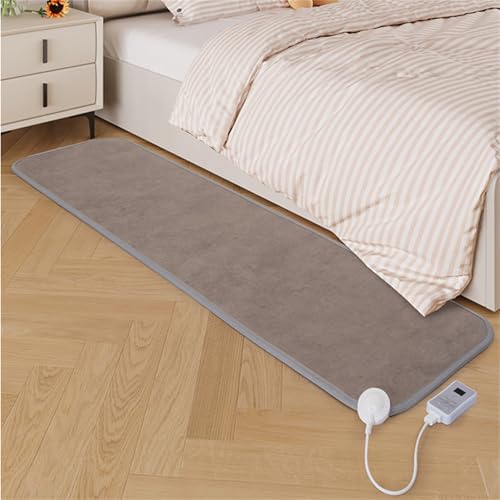
- ✓ Easy to set up
- ✓ Quiet operation
- ✓ Effective warmth
- ✕ Slightly pricey
- ✕ Limited size options
| Power | 700W for large size, 300W for small size |
| Dimensions | Large size: 150x200cm (59.0×78.8in), Small size: 50x180cm (19.6×70.8in) |
| Temperature Adjustment | 60-speed adjustable |
| Safety Features | Overheat protection with automatic shutdown |
| Water and Oil Resistance | Surface protected against water and oil |
| Heating Technology | Graphene carbon crystal heating elements |
Unlike typical rug pads or space heaters I’ve tested, this WSNCXFW Infrared Electric Floor Heater Rug instantly stands out with its generous 19.6×70.8-inch size and sleek, water- and oil-resistant surface. Laying it out in my living room, I immediately appreciated how seamless it was to set up—no complicated wires or assembly, just plug and enjoy.
The heating power is surprisingly effective for such a slim mat, with 700W on the large size providing a cozy warmth that quickly takes the chill off the floor. It’s quiet too, which makes it perfect for my bedroom where I don’t want any buzzing or humming disturbing my sleep.
The 60-speed temperature adjustment gives you precise control, and I love the 12-hour timer—set it before bed and wake up to a warm room.
The material feels durable yet soft underfoot, and cleaning is simple thanks to its water and oil resistance. I tested spilling a bit of coffee, and it wiped right off without any fuss.
The safety features, like overheating protection and automatic shutdown, give peace of mind, especially with kids around.
This heated rug isn’t just functional—it adds a warm, inviting feel to my space. Whether I use it as a cozy bedroom carpet or a stylish living room accent, it delivers comfort without noise or bulk.
It’s a thoughtful gift idea too, especially for anyone tired of cold floors during winter.
What Factors Should You Consider When Selecting the Best Rug Pad for Radiant Heat?
When selecting the best rug pad for radiant heat, several critical factors should be considered to ensure compatibility and performance.
- Material: The type of material used in the rug pad is crucial, as some materials retain heat better than others. Look for options made from felt or natural rubber, as they provide good insulation while allowing for proper heat transfer from the radiant system.
- Thickness: The thickness of the rug pad can affect the heat transfer efficiency. Thinner pads are generally recommended to ensure that heat can easily pass through to the flooring, while too thick of a pad may insulate against the heat, reducing the system’s effectiveness.
- Breathability: A breathable rug pad is necessary to facilitate airflow and heat distribution. Pads with an open weave or those designed specifically for heated floors will help in maintaining an even temperature throughout the room, preventing hot spots.
- Gripping Power: The rug pad should provide adequate grip to keep the rug in place while being compatible with radiant heat. Look for pads that offer a non-slip surface without adhesives, as adhesives can degrade under high temperatures and could potentially damage the flooring.
- Size and Fit: Ensuring the rug pad fits appropriately under the rug is essential for both aesthetics and functionality. A well-fitted pad should be slightly smaller than the rug itself to prevent it from peeking out, which can create a tripping hazard.
- Environmental Impact: Consider eco-friendly options when choosing a rug pad, especially those made from recycled or sustainable materials. These pads not only provide comfort and utility but also minimize environmental impact.
How Do Different Materials Impact Heat Transfer in Rug Pads for Radiant Heat?
The choice of materials in rug pads significantly influences heat transfer efficiency in radiant heating systems.
- Felt: Felt rug pads are made from compressed wool or synthetic fibers, providing excellent insulation while allowing for decent heat transfer. They help maintain warmth and can add cushioning underfoot, but their density may slightly impede direct heat flow compared to other materials.
- Rubber: Rubber rug pads offer a strong grip and are often used for their durability and non-slip properties. While they can effectively hold the rug in place, their lower conductivity can limit the amount of heat that passes through, making them less ideal for radiant heating applications.
- Foam: Foam rug pads are lightweight and provide good cushioning, but their heat transfer capabilities can vary significantly based on density and composition. While they may allow some heat to pass through, their insulative properties can also trap heat, which might not be beneficial for radiant heat systems.
- Natural Fiber: Natural fiber pads, such as those made from jute or cotton, are breathable and environmentally friendly. They allow for better heat transfer compared to synthetic options, making them suitable for radiant heating, as they provide a balance between comfort and functionality.
- Composite Materials: Some rug pads are made from a combination of materials to optimize both grip and heat transfer. These composite pads can be engineered to enhance thermal conductivity while still offering cushioning and support, making them a versatile choice for homes with radiant heating systems.
What Are the Recommended Thickness and Sizes of Rug Pads for Radiant Heating Systems?
The recommended thickness and sizes of rug pads for radiant heating systems are crucial for ensuring both comfort and efficiency.
- Thickness of 1/4 inch: A rug pad with a thickness of 1/4 inch is often ideal for radiant heating systems. This thickness provides sufficient cushioning while still allowing heat to transfer effectively through the pad and into the rug.
- Thickness of 1/8 inch: For those who prefer a thinner option, a 1/8 inch rug pad can also work well. It offers minimal cushioning but maximizes thermal conductivity, ensuring that the warmth from the heating system is not hindered.
- Sizes to match rug dimensions: Rug pads should be cut to fit the exact dimensions of the rugs they will support. This custom sizing prevents bunching and allows for optimal heat distribution, which is essential for maintaining an efficient heating system.
- Non-slip feature: Choosing a rug pad that includes a non-slip feature is important for safety and stability. This ensures that the rug stays in place, reducing the risk of slipping, which can be especially important in areas where radiant heating is installed.
- Materials such as felt or rubber: Rug pads made from felt or rubber are recommended as they are both durable and effective in conducting heat. Felt pads provide a soft surface while allowing heat to pass through, whereas rubber pads can help prevent slipping without significantly insulating against warmth.
How Can You Ensure Safety and Floor Protection with Rug Pads Designed for Radiant Heat?
To ensure safety and floor protection with rug pads designed for radiant heat, consider the following factors:
- Material: Choose rug pads made from materials that are compatible with radiant heating systems, such as felt or natural rubber.
- Thickness: Opt for a thinner rug pad to allow for optimal heat transfer without insulating the heat from the floor.
- Non-Toxic Adhesives: Ensure that the rug pad uses non-toxic adhesives that won’t off-gas harmful chemicals when heated.
- Slip Resistance: Select pads with excellent grip to prevent slipping, which is crucial for safety on heated floors.
- Moisture Resistance: Look for rug pads that are moisture-resistant to protect against humidity that might arise from heated flooring.
Material: It is essential to select rug pads made from materials that are safe for use with radiant heating systems. Felt and natural rubber are excellent options as they provide cushioning while allowing heat to pass through efficiently, ensuring comfort without compromising the heating system’s effectiveness.
Thickness: A thinner rug pad ensures that the heat from the radiant heating system can efficiently transfer through the rug to warm the room. Thick pads can act as insulators, reducing the effectiveness of the heating system, which can lead to uneven heating and higher energy costs.
Non-Toxic Adhesives: Rug pads should be made with non-toxic adhesives to prevent harmful fumes from being released when heated. This is particularly important for maintaining indoor air quality and ensuring a safe environment, especially in homes with children or pets.
Slip Resistance: A rug pad should offer a strong grip to prevent slipping, which is critical on heated floors that can become slippery when combined with certain rug materials. Look for pads with a textured surface or a design specifically engineered to enhance grip and stability.
Moisture Resistance: Radiant heat systems can sometimes lead to increased humidity, so it’s wise to select rug pads that resist moisture. This helps in preventing mold and mildew buildup, which can damage both the rug and the floor underneath, maintaining the integrity of your flooring.
What Advantages Do Rug Pads Specifically Made for Radiant Heating Offer?
The best rug pads for radiant heat offer several advantages to enhance comfort and functionality in homes with underfloor heating systems.
- Enhanced Insulation: Rug pads designed for radiant heating help to provide additional insulation, which can prevent heat loss through the floor. This improves energy efficiency by ensuring that heat from the heating system is retained longer, resulting in a more comfortable living environment.
- Heat Transfer Efficiency: These rug pads are specifically engineered to allow optimal heat transfer from the flooring to the rug surface. This ensures that the warmth generated by the radiant heating system reaches the rug and, subsequently, the feet of those walking on it, maximizing the warmth and comfort.
- Non-Slip Features: Rug pads for radiant heat often come with non-slip properties, which help keep rugs securely in place. This is particularly important in homes where radiant heating is installed, as rugs can easily shift or bunch up if they are not adequately anchored, posing a tripping hazard.
- Moisture Resistance: Many of these rug pads are made from materials that resist moisture and mold, which is crucial in environments where radiant heating is used. This characteristic helps maintain a clean and healthy indoor air quality by minimizing the risk of mold growth associated with damp rugs.
- Durability and Longevity: Rug pads made for radiant heating are typically constructed from high-quality materials that enhance durability. This ensures that they can withstand the heat and pressure over time without degrading, providing long-lasting support for your rugs.
- Improved Comfort: The cushioning provided by rug pads specifically designed for radiant heat adds an extra layer of comfort underfoot. This makes the space more inviting and cozy, especially in colder months when the floors can feel chilly without proper padding.
Which Brands Are Recognized for Producing the Best Rug Pads for Radiant Heat?
When searching for the best rug pad for radiant heat, several brands stand out for their quality and compatibility with heating systems. These manufacturers focus on providing products that enhance comfort while ensuring safety and effectiveness.
-
Safavieh: Known for its durable and versatile rug pads, Safavieh offers options that are a great fit for radiant heat. Their pads provide excellent cushioning and grip, which helps to prevent shifting.
-
RugPadUSA: This brand emphasizes eco-friendly materials and custom sizes. Their rug pads designed for radiant heat are made to maximize the warmth from your heating system while also protecting your floor.
-
Mohawk Home: Offering a range of rug pads with varying thicknesses, Mohawk Home focuses on creating pads that work well with heated floors, enhancing the overall warmth of the space.
-
Anji Mountain: This brand is known for its environmentally friendly materials and offers rug pads specifically designed for radiant heat applications, ensuring safety and comfort underfoot.
When selecting a rug pad, consider factors like material, thickness, and compatibility with your heating system to ensure optimal performance and longevity.
Related Post: